In Melbourne, where homes and commercial buildings can experience hot summer roof cavities followed by cold, damp winter conditions, getting air moving properly through the roof space can help create a more stable environment above the ceiling. Heritage Plumbing Group supplies and installs attic fans and roof air circulation systems across Melbourne, with options suited to residential homes, sheds, workshops and commercial properties.
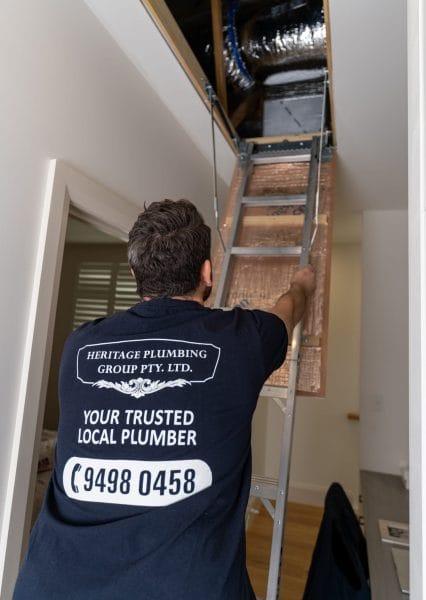
A roof cavity with poor airflow can become extremely hot during warmer weather, particularly under metal roofing or across large roof areas exposed to direct sun. That heat can sit above the ceiling for hours and may make upper rooms feel uncomfortable even after the outdoor temperature starts to drop. An attic fan helps by moving warm air out of the roof space and encouraging replacement air to enter through suitable vents or openings.
The aim is not simply to install a fan and hope for the best. For the system to work properly, there needs to be a sensible airflow path through the roof. If there is not enough incoming air, even a powerful fan can struggle to move the volume of air it is designed for.
Moisture is another reason property owners look at attic fans and roof ventilation. Warm, humid air can collect inside a roof cavity and, under the right conditions, contribute to condensation around roofing materials, insulation and timber framing. Improving air circulation can help reduce stagnant conditions and give moisture a better opportunity to leave the roof space.
This can be particularly relevant in properties where there are signs of musty smells, visible condensation, damp insulation or recurring moisture issues above the ceiling. Ventilation is not always the only cause or solution, so we assess the roof space before deciding what should be changed. Existing exhaust fans, ducting, insulation, roof leaks and other building issues can all affect what is happening inside the cavity and may need to be considered separately.
Attic fans are available in different forms, and each has its own place. Solar attic fans use sunlight to power the fan, making them a practical option for properties that receive good solar exposure and want active roof-space ventilation without drawing power from the normal electricity supply while the unit is operating. Electric attic fans can provide powered airflow where a dedicated electrical setup is more suitable, and some systems use thermostatic or humidity controls so the fan operates when certain conditions are reached.
Passive ventilation may also be improved by adding or upgrading intake and outlet points around the roof. In some cases, a combination of active and passive ventilation provides better airflow than relying on one product alone.
Whirlybirds, ridge vents, solar roof vents and attic fans all work differently, so the right setup depends on the building and how the roof space behaves. We do not treat them as interchangeable products. One roof may respond well to a solar-powered fan, while another may be better suited to a different form of high-level ventilation or improved low-level intake.
The position of the fan matters as well. Installing an attic fan in the easiest spot on the roof does not automatically mean it will ventilate the areas that need it most. Roof pitch, orientation, available sunlight, ceiling layout, internal walls, roof access and the location of existing vents can all affect where the fan should go.
On larger homes and commercial buildings, the roof space may need more than one ventilation point to achieve useful airflow across the whole area. For smaller properties, a single correctly positioned fan may be enough. We prefer to assess the property rather than rely on a generic fan-per-square-metre rule without considering the actual roof.
Attic fans can be installed during a roof replacement, renovation or new build, but they can also be retrofitted to suitable existing roofs. Adding ventilation during larger roofing works can make it easier to plan the fan position, roof penetration and flashing alongside the rest of the roof system. Existing roofs can still be upgraded where there is suitable access and a practical place to install the unit.
The roof penetration itself needs to be handled properly because any new opening through a roof has to remain weatherproof. Our roof plumbers consider the roofing profile, drainage path, flashing details and surrounding roof condition when installing the fan or vent. Melbourne weather can change quickly, so a ventilation system should improve airflow without creating another place for water to get in.
Commercial buildings, workshops and sheds often need a different approach to residential homes. Larger roof areas can hold more heat, and the way the building is used can add to the internal temperature or moisture load. Machinery, equipment, storage conditions and the height of the building can all influence the way air moves. In these properties, attic fans or other air circulation systems may need to be spread across different sections of the roof rather than concentrated in one area.
The same basic principle still applies: warm air needs a clear way out and replacement air needs a suitable path in. A well-planned system looks at both sides of that airflow rather than focusing only on extraction.
It is also important to separate roof-space ventilation from dedicated room exhaust. Bathroom, laundry, kitchen and commercial exhaust systems are designed to remove air from specific internal areas and discharge it outside. An attic fan is intended to move air through the roof cavity itself, so it should not be used as a substitute for correctly ducting exhaust air where that is required.
A property can have a good attic ventilation system and still need separate work on bathroom or kitchen exhaust ducting. If existing exhaust fans are terminating into the roof space, that should be assessed independently because adding an attic fan does not automatically correct the underlying ducting issue.
The best attic fan or air circulation system is the one that suits the property rather than the one with the biggest motor or highest advertised airflow. We look at what is actually happening inside the roof space, where the heat or moisture is collecting and how air can move through the building before recommending an installation.
Why Choose Heritage Plumbing Group for Roof Ventilation?
Our team assesses the existing ventilation, roof layout, available intake air and the condition of visible roof-space components before recommending a system. Where electric components are involved, any electrical work needs to be completed by the appropriate licensed electrical trade, while our work focuses on the roof plumbing, roof penetrations, ventilation components, flashing and weatherproofing associated with the installation.
Relevant Australian Standards, NCC requirements and Victorian requirements are considered where they apply, with BCP referenced where appropriate rather than outdated regulator information.
Older homes can benefit from a ventilation review because roof spaces may have been altered over the years. Insulation may have been added, vents may have been covered or blocked, and renovations can change the way air moves through the cavity. Heritage-style homes can also have different roof shapes and framing arrangements that need to be considered before new ventilation is installed.
Newer homes are not automatically immune from ventilation issues either. A well-insulated and tightly constructed property still needs the roof space and any exhaust systems to be set up correctly for the way the building is designed.

Frequently Asked Questions
An attic fan helps by moving warm air out of the roof space and encouraging replacement air to enter through suitable vents or openings.
Improving air circulation can help reduce stagnant conditions and give moisture a better opportunity to leave the roof space.
Attic fans are available in different forms, and each has its own place. Solar attic fans use sunlight to power the fan, making them a practical option for properties that receive good solar exposure and want active roof-space ventilation without drawing power from the normal electricity supply while the unit is operating. Electric attic fans can provide powered airflow where a dedicated electrical setup is more suitable, and some systems use thermostatic or humidity controls so the fan operates when certain conditions are reached.
Solar attic fans use sunlight to power the fan, making them a practical option for properties that receive good solar exposure and want active roof-space ventilation without drawing power from the normal electricity supply while the unit is operating. Electric attic fans can provide powered airflow where a dedicated electrical setup is more suitable.
In some cases, a combination of active and passive ventilation provides better airflow than relying on one product alone.
Roof pitch, orientation, available sunlight, ceiling layout, internal walls, roof access and the location of existing vents can all affect where the fan should go.
On larger homes and commercial buildings, the roof space may need more than one ventilation point to achieve useful airflow across the whole area. For smaller properties, a single correctly positioned fan may be enough.
Attic fans can be installed during a roof replacement, renovation or new build, but they can also be retrofitted to suitable existing roofs.
An attic fan is intended to move air through the roof cavity itself, so it should not be used as a substitute for correctly ducting exhaust air where that is required.
If the upstairs area of a home becomes noticeably hot in summer, the roof cavity feels unusually warm long after sunset, there are musty smells above the ceiling or moisture keeps appearing around the roof space, it may be worth having the ventilation checked. These signs do not always mean an attic fan is required, but they can point to an airflow issue that deserves a closer look.


Get Started Today
Area we services
Need a reliable plumber near you? Heritage Plumbing Group offers expert solutions across Melbourne with fast response times and top-quality service.
Our licensed team brings decades of local expertise, ensuring efficient, long-lasting results for emergencies, maintenance, and major projects.
