Heritage Plumbing Group installs commercial whirlybirds across Melbourne on both existing and new roofs, with each installation planned around the building rather than simply adding vents wherever there is room.
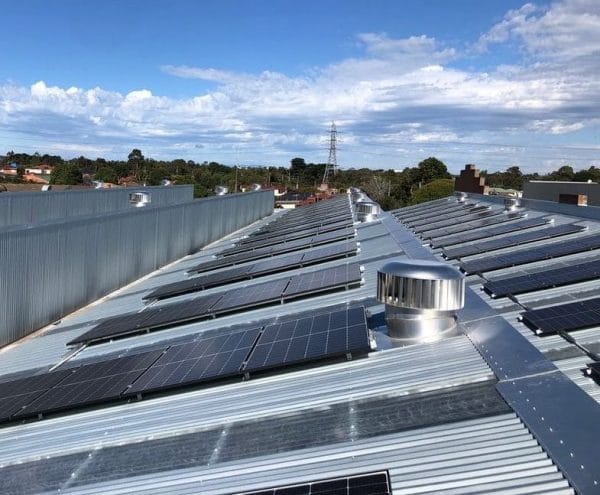
Large commercial roofs can hold a considerable amount of heat during the day, particularly across metal roofing that is exposed to direct sun for long periods. Staff and property owners often notice it most during warmer weather when the building starts feeling hot, stuffy or slow to cool down.
A commercial whirlybird provides a passive high-level outlet that helps warm air escape through the roof while replacement air enters through suitable openings elsewhere in the building or roof space. The turbine turns with the wind and assists with drawing air out without relying on an electric motor.
Commercial whirlybirds are simple in principle, but achieving effective roof ventillation still depends on how the entire building is ventilated. The size of the roof, the height of the building, internal layout, existing ventilation and the available path for replacement air all influence how well a system can work.
A large warehouse does not automatically improve just because several turbine vents have been added to the roof. The position and spacing of each commercial whirlybird matters, and there needs to be a sensible way for air to enter the space as warm air leaves through the roof. This is why we assess the building before recommending how many whirlybirds may be suitable or where they should be installed.
Commercial whirlybirds are a passive form of roof ventilation, which means they work differently to solar roof vents and mechanically powered extraction systems. A whirlybird uses wind to rotate the turbine and assist with drawing air from the roof space. A solar roof vent uses energy from the sun to power a fan, while other mechanical systems may use electricity to provide more controlled extraction. Ridge ventilation works differently again, creating a passive outlet along the high point of the roof. One method is not automatically better for every commercial property. The roof design, building use, airflow requirements and existing ventilation all need to be considered before deciding which option makes sense.
Some commercial properties only need a small ventilation upgrade, while others have large roof areas that require several ventilation points spread across different sections of the building. Warehouses, manufacturing facilities, workshops and storage buildings can all have different ventilation requirements depending on how the space is used.
Machinery, equipment, lighting, stock, ceiling height and internal walls can affect how heat builds up and how air moves through the property. A workshop operating equipment all day may have very different ventilation needs to a warehouse mainly used for storage. We take those differences into account rather than treating every commercial roof the same way.
We regularly install whirlybirds on older commercial and industrial properties where roof ventilation may have been limited when the building was originally constructed. Over the years, a building may also have been extended, re-roofed or changed internally, which can alter the way air moves through the space.
Whirlybirds can also be considered during a roof replacement or commercial re-roofing project, giving us an opportunity to plan the ventilation alongside new roofing, flashings and other roof plumbing work. They can also be retrofitted to suitable existing roofs where the roofing condition, access and layout allow.
The installation itself needs to be handled properly because every whirlybird creates a penetration through the roof. The unit has to suit the roofing profile and be flashed correctly so water continues to drain as intended around the installation. Our roof plumbers consider the roof pitch, sheet profile, drainage path and surrounding flashings before fitting each vent. Commercial roofs can be exposed to strong sun, wind and heavy Melbourne rain, so improving ventilation should never create another problem with water entry. The roof still needs to remain watertight once the new ventilation is installed.
We often come across commercial whirlybirds that have been on a roof for many years and no longer rotate as they should. Storms, roof works and general ageing can all take their toll. If a turbine has stopped turning, become noisy, been damaged or is heavily worn, replacing the unit may be more practical than continuing to repair an older vent. During replacement work, we also check the surrounding roof area and flashing because the condition of the penetration is just as important as the turbine itself.
Commercial whirlybirds can suit a wide range of Melbourne properties, including warehouses, factories, workshops, storage facilities, industrial units and larger commercial buildings. The right setup depends less on the label given to the building and more on what is happening inside it.
If heat collects in certain areas, airflow feels poor or the existing roof ventilation is no longer performing properly, a roof assessment can help work out what needs attention.
Heritage Plumbing Group works across Melbourne on commercial and industrial roofing, which means ventilation can be considered alongside the condition and layout of the roof itself. Whether the job involves adding new commercial whirlybirds, replacing old turbine vents or including ventilation as part of larger roofing works, we focus on getting the positioning, flashing and roof integration right.

Frequently Asked Questions
A whirlybird provides a passive high-level outlet that helps warm air move out through the roof while replacement air enters through suitable openings elsewhere in the building or roof space. The turbine turns with the wind and assists with drawing air out without relying on an electric motor.
This is why we assess the building before recommending how many whirlybirds may be suitable or where they should be installed.
The position and spacing of each unit matters, and there needs to be a sensible way for air to enter the space as warm air leaves through the roof.
They can also be retrofitted to suitable existing roofs where the roofing condition, access and layout allow.
Whirlybirds can also be considered during a roof replacement or commercial re-roofing project, giving us an opportunity to plan the ventilation alongside new roofing, flashings and other roof plumbing work.
Whirlybirds can be particularly useful where a straightforward passive ventilation system suits the building and there is no need for a powered fan. They have no electrical supply to operate and relatively few components compared with a powered ventilation system.
A whirlybird uses wind to rotate the turbine and assist with drawing air from the roof space. A solar roof vent uses energy from the sun to power a fan, while other mechanical systems may use electricity to provide more controlled extraction.
We often come across commercial whirlybirds that have been on a roof for many years and no longer rotate as they should. Storms, roof works and general ageing can all take their toll. If a turbine has stopped turning, become noisy, been damaged or is heavily worn, replacing the unit may be more practical than continuing to repair an older vent.
Commercial roof ventilation should also be kept separate from dedicated exhaust systems. A whirlybird is intended to assist with general roof-space or high-level air movement. It is not automatically a replacement for mechanical exhaust required for kitchens, machinery, fumes, chemicals or other specific commercial processes.
Commercial whirlybirds can suit a wide range of Melbourne properties, including warehouses, factories, workshops, storage facilities, industrial units and larger commercial buildings.


Get Started Today
Area we services
Need a reliable plumber near you? Heritage Plumbing Group offers expert solutions across Melbourne with fast response times and top-quality service.
Our licensed team brings decades of local expertise, ensuring efficient, long-lasting results for emergencies, maintenance, and major projects.
