Installed along the highest point of the roof, a ridge vent gives warm, moisture-laden air a place to escape naturally while fresh air is drawn into the roof space through suitable lower ventilation points. Heritage Plumbing Group installs ridge ventilation systems for residential, commercial and other properties across Melbourne.
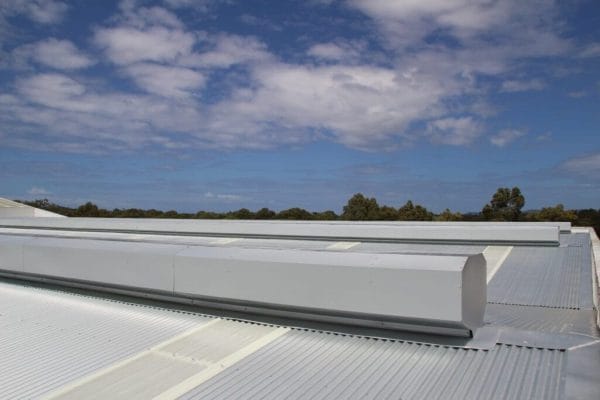
A properly ventilated roof space can make a noticeable difference to the amount of heat and moisture that becomes trapped above the ceiling. During warmer weather, hot air naturally rises towards the ridge, where the vent allows it to escape. Through the cooler months, good airflow can also help moisture move out of the roof space rather than remaining trapped around insulation, timber and roofing materials. This can assist with condensation management and reduce the conditions that allow dampness and mould to develop.
Ridge vents are particularly appealing when you want effective passive ventilation without changing the overall look of the roof too much. Unlike a traditional whirlybird, the ventilation runs along the ridge line and sits neatly with the roof profile. There are no motors to power and no spinning components, making ridge ventilation a straightforward option for properties where continuous passive airflow is suitable.
The system still needs to be designed properly. Air needs a way into the roof space as well as a way out, which is why we look at existing eave or low-level ventilation when assessing a property. Simply adding an outlet at the ridge does not automatically mean the whole roof will ventilate effectively. Before recommending a ridge vent, we look at the roof pitch, ridge length, roof profile, insulation, sarking, existing vents and the way air can move through the roof space. This helps us work out whether ridge ventilation is appropriate and how it should form part of the overall ventilation setup.
Ridge vents can be incorporated into new roofing work or added to suitable existing roofs. The installation needs to suit the roof material, design and condition, and particular care needs to be taken around weatherproofing.
Heritage Plumbing Group installs ridge ventilation systems for residential, commercial and other properties across Melbourne.
Each installation is planned around the roof rather than relying on a one-size-fits-all setup. Our roof plumbers make sure the ridge area is correctly prepared, flashed and finished so ventilation is achieved without compromising the watertightness of the roof.

Frequently Asked Questions
We work with both residential and commercial properties, from family homes experiencing a hot or stuffy roof space through to larger buildings where more consistent roof ventilation is needed across a broader area.
A ridge vent may also be considered during a roof replacement or renovation, when the roofing is already being opened up and there is an opportunity to improve how the entire roof system performs.
For existing buildings, we can assess whether the roof design allows a ridge vent to be retrofitted or whether another ventilation option would make more sense.
Not every property needs the same type of roof ventilation.
Whirlybirds, solar roof vents, ridge ventilation and other ventilation methods all work differently, and there are situations where one will suit the building better than another. Ridge ventilation is generally best considered as part of a complete airflow strategy rather than as a standalone product. The size of the roof, available intake ventilation and the amount of ventilation required all influence the final setup.
It is also important to separate roof-space ventilation from bathroom, kitchen and laundry exhaust requirements. A ridge vent is designed to ventilate the roof space itself and should not be treated as a replacement for correctly ducting exhaust air outdoors where this is required. If exhaust fans are currently terminating into the ceiling or roof space, that should be looked at as part of the wider ventilation assessment.
When installed correctly, a ridge vent is designed to remain weather resistant while allowing air to move through the designated ventilation opening. The venting system sits beneath or integrates with the ridge covering, helping protect the opening from rain and debris. Good installation matters here, particularly on a Melbourne roof that needs to cope with changing weather throughout the year.
Ridge ventilation is generally quiet because it does not rely on a motor or spinning turbine.
It also has relatively few moving parts to maintain, although the roof and ventilation openings should still be checked as part of normal roof maintenance to make sure they remain clear and in good condition.
How much ridge ventilation a property needs cannot be determined properly from the floor area alone. Roof pitch, construction, airflow paths and the available low-level ventilation all need to be considered. That is why we assess the roof before deciding how much ventilation should be installed. Some homes may only require ventilation across a particular section, while larger or more complex roofs may need a broader approach.


Get Started Today
Area we services
Need a reliable plumber near you? Heritage Plumbing Group offers expert solutions across Melbourne with fast response times and top-quality service.
Our licensed team brings decades of local expertise, ensuring efficient, long-lasting results for emergencies, maintenance, and major projects.
