Heritage Plumbing Group repairs, maintains and replaces storage hot water tanks across Melbourne for homes, businesses and commercial properties. We work on gas, electric, gravity-fed, solar and heat pump storage systems, assessing the whole unit to determine whether a repair is worthwhile or replacement is the better long-term option.
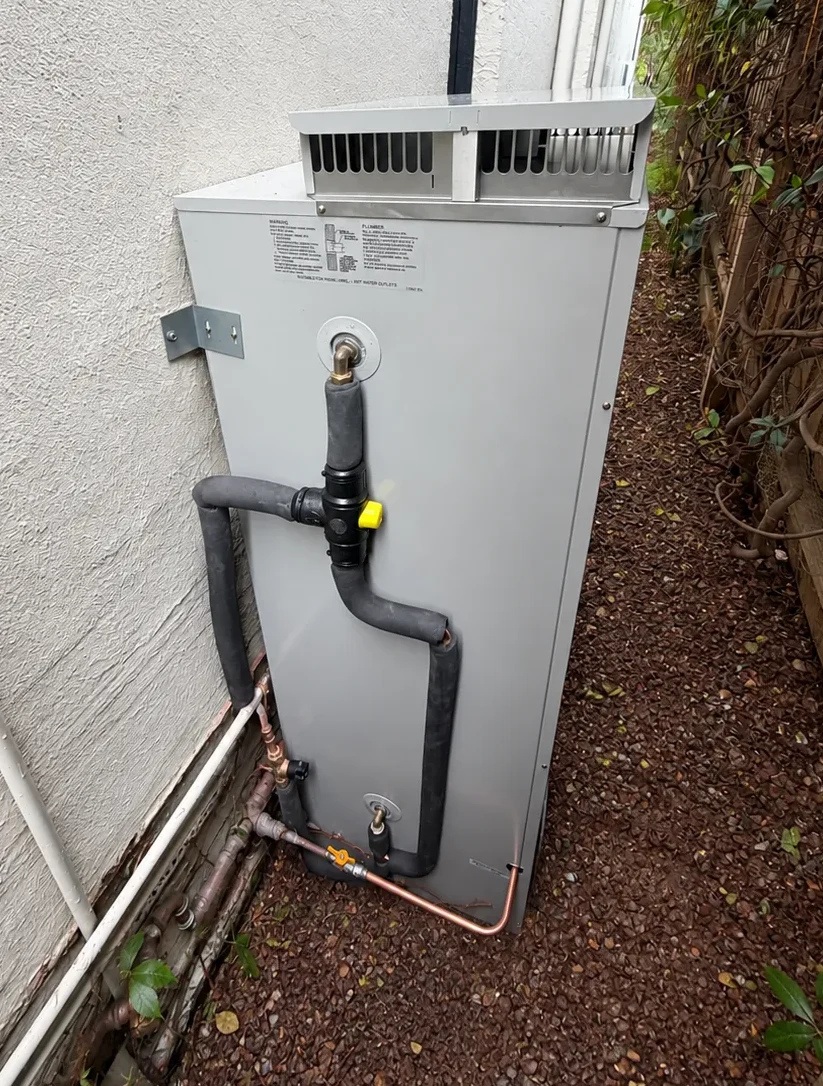
A leaking, ageing or unreliable hot water tank does not always need to be replaced straight away. The first step is working out what has actually failed and whether repairing the existing storage system still makes sense. Heritage Plumbing Group repairs, maintains and replaces storage hot water tanks across Melbourne for homes, businesses and commercial properties, including gas, electric, gravity-fed, solar and heat pump storage systems. Our plumbers assess the tank and the components around it rather than assuming that every hot water problem means a new unit is required.
Water around a hot water tank, for example, can come from a valve, pipe connection or fitting rather than the cylinder itself. Those faults may be repairable. If the tank has ruptured and the cylinder itself has failed, the unit needs to be replaced.
Other common problems we see include hot water that has suddenly gone cold, low hot water pressure, rust or corrosion, discoloured water, leaking fittings, faulty valves and problems with thermostats, controls, thermocouples, burners or ignition components. Temperature and pressure relief valves, tempering valves, anodes and associated pipework can also require attention as a storage system ages. The right repair depends on the type of storage hot water system, its condition and where the fault is located.
A repair that makes sense on a relatively sound unit may not be good value on a tank that is already well into its service life. If an older storage tank has begun developing repeated faults, significant corrosion or problems with multiple components, replacing one part at a time can leave the customer spending more money on a system that is approaching the end of its useful life. A control or thermocouple might technically be replaceable on a very old tank, for example, but that does not automatically mean repairing it is the best decision if another major part is likely to fail not long afterwards. Heritage considers the age and overall condition of the tank, the fault history, corrosion, availability of replacement parts, the likely repair cost, the suitability of the existing unit and whether its capacity still suits the property before recommending repair or replacement. This gives customers a clearer picture of the condition of the complete system rather than focusing only on the component that has failed that day.
Hot water tank maintenance can also help identify developing problems before the system reaches the point of failure. Storage systems contain valves, controls, connections and other components that work under heat and pressure over many years, so signs of deterioration are worth investigating rather than waiting until the property has no hot water or the tank begins leaking heavily. Maintenance is particularly useful where a customer has noticed changes in pressure, water temperature, unusual operation, visible corrosion or water appearing around the unit. It also provides an opportunity to assess whether continuing to maintain an older tank remains worthwhile.
Heritage works on gas and electric storage hot water tanks as well as storage tanks used with gravity-fed, solar and heat pump hot water systems. Each type has different components and possible causes of failure, which is why accurate diagnosis matters. A gas storage tank that has stopped heating can have a different fault from an electric storage tank showing the same symptom, while solar and heat pump systems can involve additional controls and components outside the tank itself. Where the problem belongs to another part of the hot water system rather than the storage tank, the plumber can identify that during the assessment so the correct part of the system is addressed.
When replacement is the better option, the new storage hot water tank should be selected for the property rather than automatically replacing the old unit with whatever was there before. Heritage considers the existing tank capacity, current hot water demand, available installation space, the services already at the property and whether the existing system type still suits how the building is used. This is particularly important where household size or property use has changed since the old tank was installed. The same applies to commercial properties, where reliable hot water supply and appropriate storage capacity can be important to normal day-to-day operations.
A typical Heritage storage hot water tank replacement can include isolating and removing the old unit, disposing of it, supplying and installing the replacement tank, altering associated pipework where required, installing or replacing suitable valves where necessary, testing the installation for leaks and pressure, commissioning the new system and bringing the altered installation into line with current plumbing requirements where applicable. Older installations can differ from what is required today, so replacing the tank may involve more than simply disconnecting one cylinder and connecting another in the same position.
Heritage commonly recommends Rheem for many storage hot water installations because it is a product range our team knows and regularly works with, but customers are not limited to one manufacturer. If a customer has a preferred suitable brand or unit, we can work with that requirement and assess what is appropriate for the property. The important part is that the replacement is correctly sized, properly installed and suited to the way the property uses hot water.
Storage hot water systems remain common across Melbourne homes and commercial properties because they keep a set volume of heated water ready for use. That also means the condition of the tank itself matters. A small leak from a serviceable fitting is very different from a ruptured cylinder, and a single failed component on a sound tank is different from repeated repairs on a heavily aged or corroded unit. Heritage’s approach is to make that distinction before recommending what happens next.
Where a repair is sensible, we repair the fault. Where the tank itself has ruptured, or the age, condition and likely future reliability of the system mean further repairs are poor value, we can replace the storage hot water tank and leave the customer with a more dependable outcome. That practical repair-versus-replacement judgement is particularly important with older hot water tanks because the cheapest repair on the day is not always the option that saves the customer the most money over the following years.
Need help with a leaking, ageing or unreliable storage hot water tank? Our team can assess the system, explain whether repair or replacement is the better option and provide a clear path forward.
Frequently Asked Questions
It depends on where the water is coming from. A leak from a valve, fitting, connection or associated pipework may be repairable. If the cylinder itself has ruptured, Heritage replaces the storage tank rather than attempting to repair the failed tank.
Heritage looks at more than the immediate fault. We consider the tank’s age, overall condition, corrosion, history of problems, parts availability, repair cost, capacity and whether further repairs are likely to provide good value. A relatively sound tank with one repairable fault can be very different from an ageing unit developing repeated problems.
Yes. Heritage works on gas and electric storage hot water tanks as well as gravity-fed systems and storage tanks associated with solar and heat pump hot water systems.
Yes. Hot water tank maintenance can be useful for checking valves, controls, connections, anodes, pipework and the general condition of the storage system, particularly if you have noticed changes in pressure, temperature, operation or signs of corrosion or leaking.
The cause depends on the type of system. Gas and electric storage tanks use different components, and faults may involve controls, thermostats, thermocouples, burners, ignition components, valves or other parts of the hot water system. Heritage can assess the system to identify where the fault is actually occurring.
Not always. A component may still be replaceable, but on a very old tank it can make more sense to consider the condition of the whole unit before spending more money on another repair. Heritage can explain the condition of the tank and whether repair or replacement represents the more sensible option.
A replacement can include removing and disposing of the existing unit, installing the new tank, making required pipework alterations, installing or replacing suitable valves where necessary, pressure and leak testing, commissioning the system and bringing the altered installation into line with current plumbing requirements where applicable.
Yes. Heritage commonly recommends Rheem for many installations, but we are not limited to one manufacturer. We can assess the property’s hot water demand, existing services, available space and current tank capacity and work with a suitable customer-requested unit where appropriate.
Yes. Heritage repairs, maintains and replaces storage hot water systems in residential and commercial properties. This page relates specifically to hot water storage systems, not general industrial, rainwater, fire-water, GRP or potable water storage tanks.
The cost depends on the fault, condition of the existing system, parts required and the scope of any replacement or plumbing alterations. Heritage works on hourly rates. Contact our office for current pricing or a quote for your property.


Get Started Today
Area we services
Need a reliable plumber near you? Heritage Plumbing Group offers expert solutions across Melbourne with fast response times and top-quality service.
Our licensed team brings decades of local expertise, ensuring efficient, long-lasting results for emergencies, maintenance, and major projects.
